A LITTLE TRADITION. YOUR EVERYDAY KITCHEN.
Cook with a little
more intention.
Choose your Ayurvedic cooking preference. Choose what you have. Build a meal, and get to know its ingredients.
What’s in your kitchen? ↓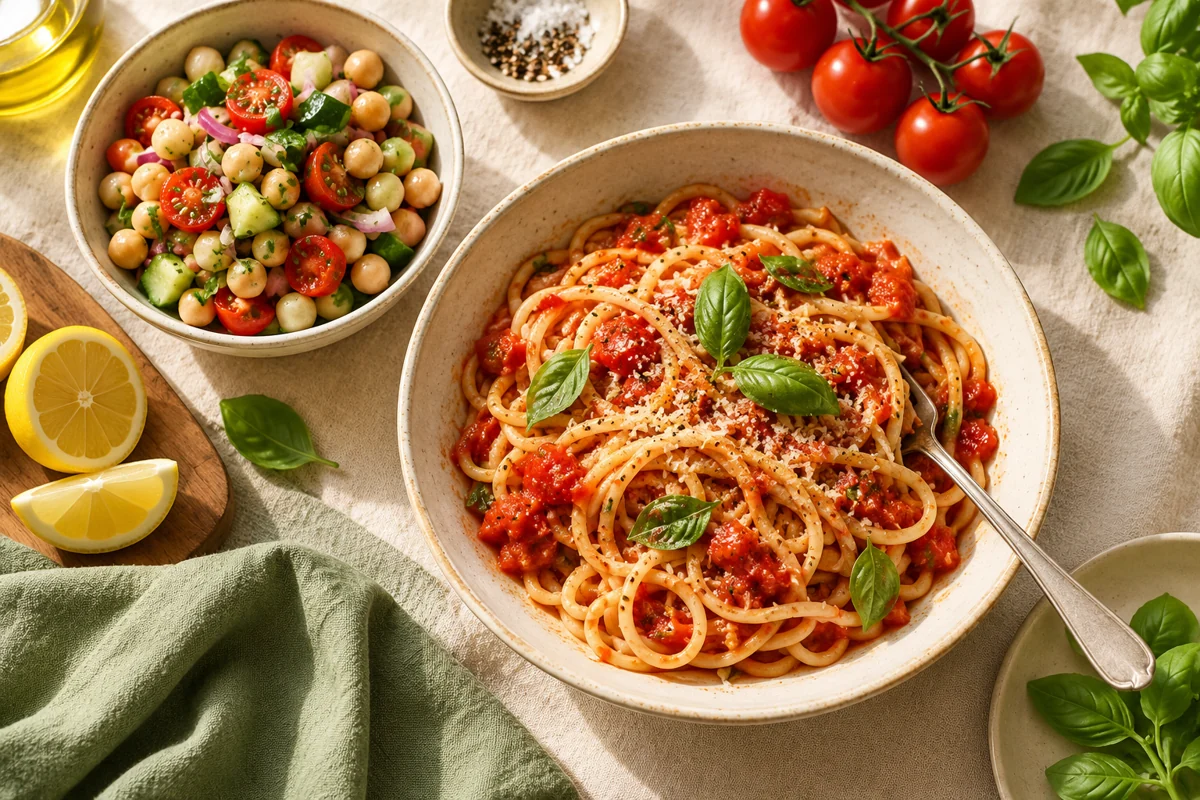
KNOW YOUR INGREDIENTS
A closer look at your pantry
Explore traditional taste and qualities, plus what each ingredient brings to the meal.
Choose ingredients above or explore the ingredient library.
MADE FROM WHAT YOU HAVE
Your next meal
Your recipes will appear here, with quantities, cooking steps and a choice to save them to My recipes.
Tradition, with context.
Warming, cooling, heavy and light are traditional Ayurvedic classifications. They are not food temperatures or measured effects on your body. Amount, preparation and individual needs matter. The notes explain cooking choices; they do not promise health benefits.
This tool does not assess your constitution or provide a medical diet. Keep any clinician-prescribed restrictions.
Sources & cooking principles
Paired preferences combine both cooking approaches, without assigning priority to either letter. VPK uses a gentle middle ground. It is not a clinical dosha-balancing formula.